




Can an air cylinder be repaired if it is damaged?
 Jan 13, 2026|
 As a seasoned supplier of air cylinders, I've encountered numerous inquiries regarding the repairability of damaged air cylinders. It's a question that holds significant importance for businesses and individuals relying on these essential components in various industrial applications. In this blog post, I'll delve into the intricacies of air cylinder repair, exploring the factors that determine whether a damaged air cylinder can be fixed and the steps involved in the repair process.
Understanding Air Cylinders
Before we discuss repair possibilities, let's briefly understand what air cylinders are and how they function. Air cylinders, also known as pneumatic cylinders, are mechanical devices that convert compressed air energy into linear motion. They are widely used in manufacturing, automation, and other industries to perform tasks such as pushing, pulling, lifting, and clamping.
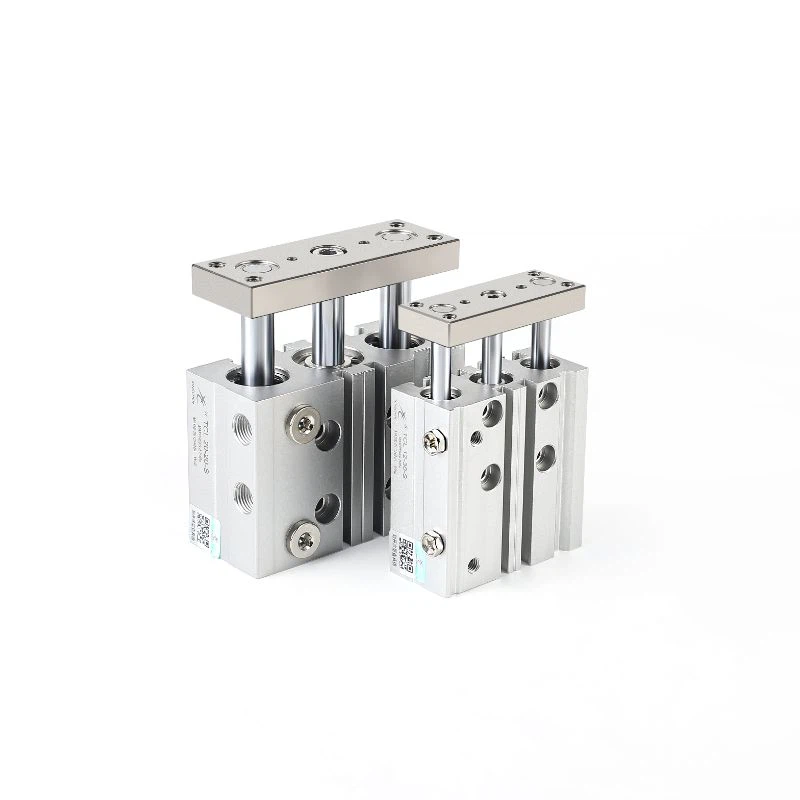
Air cylinders consist of several key components, including a cylinder barrel, piston, piston rod, seals, and end caps. The compressed air enters the cylinder through ports, causing the piston to move back and forth within the barrel. This linear motion is then transferred to the piston rod, which can be connected to other equipment or machinery to perform the desired task.
Factors Affecting Repairability
The repairability of a damaged air cylinder depends on several factors, including the type and extent of the damage, the age and condition of the cylinder, and the availability of replacement parts. Let's take a closer look at each of these factors:
Type and Extent of Damage
The type and extent of damage are perhaps the most critical factors in determining whether an air cylinder can be repaired. Minor damage, such as a small leak or a worn seal, can often be easily fixed by replacing the affected parts. However, more severe damage, such as a cracked cylinder barrel or a bent piston rod, may require more extensive repairs or even replacement of the entire cylinder.
Age and Condition of the Cylinder
The age and condition of the air cylinder also play a significant role in its repairability. Older cylinders may have worn out parts or may be more prone to damage due to normal wear and tear. In some cases, it may be more cost-effective to replace an older cylinder rather than attempting to repair it. Additionally, if the cylinder has been subjected to harsh operating conditions or has been poorly maintained, it may be more difficult to repair.
Availability of Replacement Parts
The availability of replacement parts is another important consideration when it comes to air cylinder repair. Some manufacturers may offer a wide range of replacement parts for their cylinders, making it easier and more cost-effective to repair them. However, if the cylinder is an older model or is from a less common manufacturer, it may be more difficult to find the necessary replacement parts. In some cases, it may be necessary to have custom parts fabricated, which can increase the cost and time required for the repair.
Common Types of Air Cylinder Damage and Repair Solutions
Now that we've discussed the factors that affect the repairability of air cylinders, let's take a look at some common types of damage and the corresponding repair solutions:
Leaking Seals
One of the most common types of air cylinder damage is leaking seals. Seals are used to prevent air from leaking out of the cylinder and to maintain the proper pressure within the system. Over time, seals can wear out or become damaged, causing air to leak.

To repair a leaking seal, the first step is to identify the location of the leak. This can be done by applying a soapy water solution to the seals and looking for bubbles. Once the location of the leak has been identified, the damaged seal can be removed and replaced with a new one. It's important to use the correct type and size of seal for the cylinder to ensure a proper fit and prevent future leaks.
Bent Piston Rod
A bent piston rod can cause the cylinder to malfunction or even fail completely. This can occur due to excessive force, improper installation, or a collision with an object.
To repair a bent piston rod, the first step is to remove the cylinder from the equipment or machinery. The piston rod can then be removed from the cylinder and straightened using a hydraulic press or other suitable tool. Once the piston rod has been straightened, it should be inspected for any signs of damage or wear. If necessary, the piston rod can be replaced with a new one.
Cracked Cylinder Barrel
A cracked cylinder barrel is a more serious type of damage that can be difficult to repair. This can occur due to excessive pressure, a collision with an object, or a manufacturing defect.
In some cases, a cracked cylinder barrel can be repaired by welding or brazing the crack. However, this method is not always recommended, as it can weaken the cylinder barrel and increase the risk of future cracks. In most cases, it's more advisable to replace the entire cylinder if the barrel is cracked.
Worn Piston
A worn piston can cause the cylinder to lose its efficiency and performance. This can occur due to normal wear and tear, improper lubrication, or a contaminated air supply.
To repair a worn piston, the first step is to remove the cylinder from the equipment or machinery. The piston can then be removed from the cylinder and inspected for any signs of damage or wear. If the piston is worn beyond repair, it should be replaced with a new one. It's important to use the correct type and size of piston for the cylinder to ensure a proper fit and prevent future problems.
The Repair Process
If you've determined that your air cylinder can be repaired, the next step is to follow the proper repair process. Here are the general steps involved in repairing an air cylinder:
Disassembly
The first step in the repair process is to disassemble the air cylinder. This involves removing the end caps, piston rod, piston, and seals from the cylinder barrel. It's important to keep track of all the parts and their orientation during the disassembly process to ensure proper reassembly later.
Inspection
Once the air cylinder has been disassembled, the next step is to inspect all the parts for any signs of damage or wear. This includes checking the cylinder barrel for cracks or scratches, the piston rod for bends or wear, the piston for damage or wear, and the seals for leaks or damage. Any damaged or worn parts should be replaced with new ones.
Cleaning
After the inspection, all the parts should be cleaned thoroughly to remove any dirt, debris, or contaminants. This can be done using a suitable cleaning solution and a brush or cloth. It's important to ensure that all the parts are completely dry before reassembly to prevent corrosion or other problems.
Reassembly
Once all the parts have been inspected and cleaned, the next step is to reassemble the air cylinder. This involves installing the new seals, piston, piston rod, and end caps in the correct order and orientation. It's important to use the correct torque specifications when tightening the bolts or nuts to ensure a proper fit and prevent leaks.
Testing
After the air cylinder has been reassembled, the final step is to test it to ensure that it is functioning properly. This involves connecting the cylinder to a compressed air supply and checking for any leaks or malfunctions. If the cylinder passes the test, it can be reinstalled in the equipment or machinery and put back into service.
When to Replace an Air Cylinder
While many air cylinders can be repaired, there are some cases where it may be more cost-effective or practical to replace the entire cylinder. Here are some situations where replacement may be the best option:
Severe Damage
If the air cylinder has suffered severe damage, such as a cracked cylinder barrel or a bent piston rod that cannot be straightened, it may be more cost-effective to replace the entire cylinder rather than attempting to repair it.
Old Age
If the air cylinder is old and has been in service for a long time, it may be more prone to damage and may not be worth repairing. In some cases, it may be more cost-effective to replace the cylinder with a new one that offers improved performance and reliability.
Incompatible Parts
If the air cylinder is an older model or is from a less common manufacturer, it may be difficult to find the necessary replacement parts. In some cases, it may be more practical to replace the cylinder with a new one that is compatible with the available parts.
Safety Concerns
If the air cylinder has been damaged in a way that poses a safety risk, such as a leaking seal or a cracked cylinder barrel, it should be replaced immediately to prevent any potential accidents or injuries.
Conclusion
In conclusion, the repairability of a damaged air cylinder depends on several factors, including the type and extent of the damage, the age and condition of the cylinder, and the availability of replacement parts. While many air cylinders can be repaired, there are some cases where it may be more cost-effective or practical to replace the entire cylinder.
As a supplier of air cylinders, I understand the importance of keeping your equipment and machinery running smoothly and efficiently. That's why I offer a wide range of high-quality air cylinders, including Double Acting Compact Cylinder, Magnetic Guided Compact Cylinder, and Three Shafts Guide Cylinder. I also provide professional repair services for damaged air cylinders to help you minimize downtime and keep your costs under control.
If you have any questions about air cylinder repair or replacement, or if you're interested in purchasing a new air cylinder, please don't hesitate to contact me. I'll be happy to provide you with the information and assistance you need to make the right decision for your business.
References
- Pneumatic Cylinder Handbook, Parker Hannifin Corporation
- Industrial Pneumatics: A Comprehensive Guide, Festo Corporation
- Air Cylinder Maintenance and Troubleshooting, SMC Corporation