




How to deal with the impacts of pulsating flow on a pneumatic throttle valve?
 Jan 12, 2026|
 Pulsating flow is a common phenomenon in pneumatic systems, which can have significant impacts on the performance and lifespan of pneumatic throttle valves. As a leading pneumatic throttle valve supplier, we understand the challenges posed by pulsating flow and have developed effective strategies to deal with its impacts. In this blog post, we will explore the nature of pulsating flow, its effects on pneumatic throttle valves, and several proven methods to mitigate these impacts.
Understanding Pulsating Flow
Pulsating flow occurs when the flow rate or pressure in a pneumatic system varies periodically. This can be caused by a variety of factors, such as the operation of reciprocating compressors, the opening and closing of valves, or the movement of pistons in cylinders. The pulsations can result in fluctuations in flow rate, pressure, and velocity, which can have detrimental effects on the performance of pneumatic throttle valves.
Effects of Pulsating Flow on Pneumatic Throttle Valves
The impacts of pulsating flow on pneumatic throttle valves can be significant and wide - ranging. Firstly, pulsating flow can cause excessive wear and tear on the valve components. The rapid changes in pressure and flow rate can subject the valve seat, stem, and other moving parts to high - stress levels, leading to premature failure. For example, the repeated impact of the pulsating flow can cause the valve seat to erode, resulting in leakage and reduced flow control accuracy.
Secondly, pulsating flow can affect the flow control performance of the valve. The fluctuations in flow rate and pressure can make it difficult for the valve to maintain a stable flow rate, leading to inconsistent operation of the pneumatic system. This can be particularly problematic in applications where precise flow control is required, such as in automated manufacturing processes or in medical equipment.
Thirdly, pulsating flow can generate noise and vibration in the valve and the surrounding piping. The high - frequency pressure fluctuations can cause the valve to vibrate, which not only produces annoying noise but also increases the risk of mechanical damage to the valve and other components in the system.
Dealing with the Impacts of Pulsating Flow
1. Dampening Devices
One of the most effective ways to deal with pulsating flow is to use dampening devices. These devices are designed to absorb and dissipate the energy of the pulsations, reducing their amplitude and frequency. For example, accumulators can be installed in the pneumatic system. An accumulator acts as a buffer, storing and releasing energy as the pressure in the system fluctuates. By smoothing out the pressure variations, accumulators can significantly reduce the impact of pulsating flow on the pneumatic throttle valve.
Another type of dampening device is the pulsation damper. Pulsation dampers are specifically designed to reduce the amplitude of pressure pulsations. They work by using a flexible diaphragm or a gas - filled chamber to absorb the energy of the pulsations. When installed upstream of the pneumatic throttle valve, pulsation dampers can protect the valve from the harmful effects of pulsating flow.
2. Proper Valve Selection
Selecting the right pneumatic throttle valve is crucial in dealing with pulsating flow. Valves with a robust design and high - quality materials are more likely to withstand the stresses caused by pulsating flow. For instance, valves with a hardened valve seat and a sturdy stem can better resist wear and tear.
In addition, the valve's flow characteristics should be carefully considered. Valves with a linear flow characteristic are generally more suitable for applications with pulsating flow, as they can provide more stable flow control. When choosing a valve, it is also important to consider its size and capacity. A valve that is too small for the flow rate in the system may be more prone to the effects of pulsating flow, while an oversized valve may be inefficient.
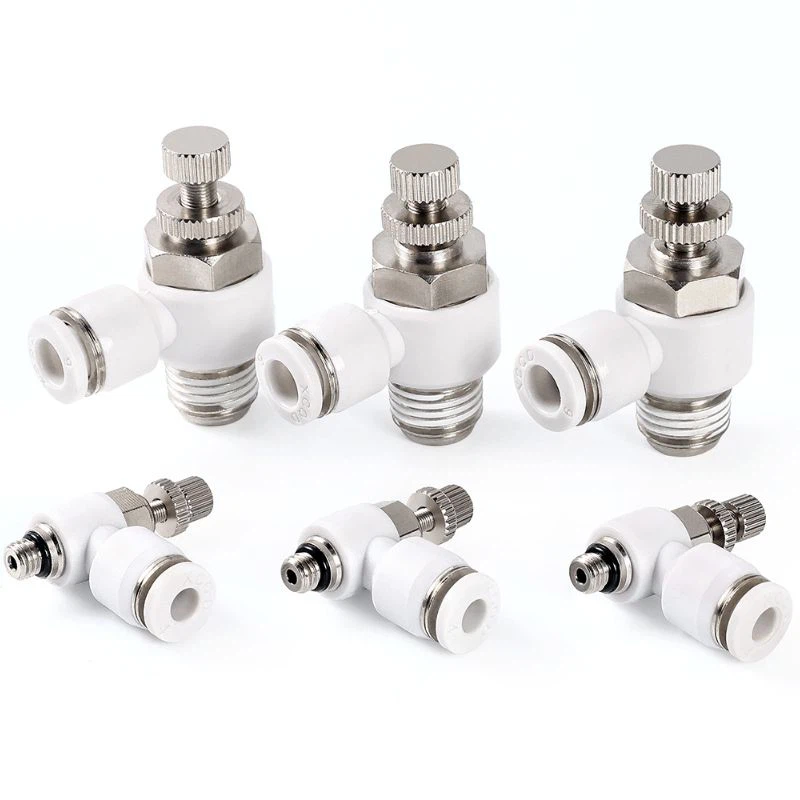
As a pneumatic throttle valve supplier, we offer a wide range of valves, including the Pneumatic Throttle Check Valve and the Air Throttle Valve. These valves are designed with high - quality materials and advanced manufacturing techniques to ensure reliable performance even in the presence of pulsating flow.
3. System Design Optimization
Optimizing the overall design of the pneumatic system can also help to reduce the impact of pulsating flow on the throttle valve. For example, the layout of the piping should be designed to minimize pressure drops and turbulence. Smooth - walled pipes with a large diameter can reduce the resistance to flow and help to dampen the pulsations.
The location of the pneumatic throttle valve in the system is also important. Placing the valve away from sources of pulsation, such as compressors or other high - flow devices, can reduce its exposure to the pulsating flow. Additionally, proper support and anchoring of the piping can prevent excessive vibration, which can further protect the valve.
4. Regular Maintenance
Regular maintenance is essential for ensuring the long - term performance of the pneumatic throttle valve in a system with pulsating flow. This includes inspecting the valve for signs of wear and tear, such as leakage, corrosion, or damage to the valve components. Any worn - out parts should be replaced promptly to prevent further damage to the valve.
Lubrication of the moving parts is also important. Proper lubrication can reduce friction and wear, improving the valve's operation and extending its lifespan. In addition, regular cleaning of the valve can prevent the accumulation of dirt and debris, which can affect the valve's performance.
The Role of Our Company as a Supplier
As a pneumatic throttle valve supplier, we are committed to providing our customers with high - quality valves and comprehensive solutions to deal with the impacts of pulsating flow. We have a team of experienced engineers who can offer technical support and advice on valve selection, system design, and maintenance.
Our Pneumatic Throttle Valve Function is designed to meet the diverse needs of different applications. Whether you are in the automotive industry, the food and beverage industry, or any other field that requires precise pneumatic flow control, we can provide you with the right valve for your system.
If you are facing challenges with pulsating flow in your pneumatic system, we encourage you to contact us for a consultation. Our experts can help you analyze your system, recommend the most suitable solutions, and provide you with high - quality pneumatic throttle valves. By working with us, you can ensure the reliable and efficient operation of your pneumatic system.
Conclusion
Pulsating flow is a common issue in pneumatic systems that can have a significant impact on the performance and lifespan of pneumatic throttle valves. However, by using dampening devices, selecting the right valve, optimizing the system design, and performing regular maintenance, the effects of pulsating flow can be effectively mitigated.
As a leading pneumatic throttle valve supplier, we are dedicated to helping our customers overcome these challenges. If you are interested in learning more about our products or need assistance in dealing with pulsating flow in your pneumatic system, please do not hesitate to contact us. We look forward to working with you to ensure the success of your pneumatic applications.

References
- Pneumatic Systems Handbook, edited by industry experts.
- Research papers on the effects of pulsating flow on fluid control valves in leading engineering journals.
- Manufacturer's technical documentation on pneumatic throttle valves and related components.