




What are the pneumatic regulator requirements for different pneumatic tools?
 Dec 22, 2025|
 Hey there! As a supplier of pneumatic regulators, I've seen firsthand how different pneumatic tools have unique requirements when it comes to these essential components. In this blog, I'll break down what you need to know about pneumatic regulator requirements for various pneumatic tools.
Air Nailers and Staplers
Air nailers and staplers are common pneumatic tools used in woodworking, construction, and upholstery. These tools typically require a relatively low and stable air pressure to function properly. A pressure range of 70 - 120 psi (pounds per square inch) is often suitable for most air nailers and staplers.
For these tools, a pneumatic regulator with good pressure stability is crucial. Fluctuations in pressure can cause inconsistent nail or staple depth, leading to a poor finish or even damage to the workpiece. A regulator with a fine - adjustment feature is also beneficial, allowing users to precisely set the pressure according to the type of material and the size of the fasteners being used.
When choosing a regulator for air nailers and staplers, you might also want to consider its flow capacity. A regulator with a sufficient flow rate ensures that the tool can fire nails or staples rapidly without running out of air. Our Air Filter Regulator Unit is a great option as it not only regulates the pressure but also filters out contaminants from the air, which can extend the life of your air nailer or stapler.
Pneumatic Drills
Pneumatic drills are widely used in metalworking, woodworking, and construction. They require a higher and more consistent air pressure compared to air nailers and staplers. A typical pressure range for pneumatic drills is 90 - 130 psi.
The torque output of a pneumatic drill is directly related to the air pressure. So, a reliable pneumatic regulator is essential to maintain a steady pressure and ensure consistent drilling performance. A regulator with a large diaphragm can provide better pressure control, especially when the drill is under heavy load.
In addition, pneumatic drills often operate at high speeds, which means they need a high - flow regulator. A regulator with a large port size can deliver a sufficient volume of air to keep the drill running smoothly. Our range of regulators is designed to meet these high - demand requirements, ensuring that your pneumatic drill works at its best.

Pneumatic Impact Wrenches
Pneumatic impact wrenches are used for tightening and loosening nuts and bolts, especially in automotive repair and heavy - duty construction. These tools require a high - pressure and high - flow air supply. The pressure range for pneumatic impact wrenches usually falls between 90 - 150 psi.
The impact force of an impact wrench is generated by the rapid release of compressed air. To achieve a strong and consistent impact, the regulator must be able to supply a large volume of air at a stable pressure. A regulator with a quick - response feature is ideal for impact wrenches, as it can quickly adjust to the sudden changes in air demand when the wrench is in use.
Our pneumatic regulators are engineered to handle the high - pressure and high - flow requirements of impact wrenches. They can provide a reliable air supply, allowing your impact wrench to deliver maximum torque and efficiency.
Pneumatic Sanders
Pneumatic sanders are used for smoothing and finishing surfaces in woodworking, metalworking, and automotive refinishing. These tools require a moderate and stable air pressure, typically in the range of 60 - 90 psi.
A stable air pressure is crucial for pneumatic sanders to ensure a uniform sanding pattern. Fluctuations in pressure can cause uneven sanding, leaving marks on the workpiece. A regulator with a built - in pressure gauge is useful for sanders, as it allows the user to monitor the pressure easily and make adjustments as needed.
Our regulators can provide the consistent pressure that pneumatic sanders need. With their precise pressure control, you can achieve a smooth and professional - looking finish on your projects.
Pneumatic Cylinders
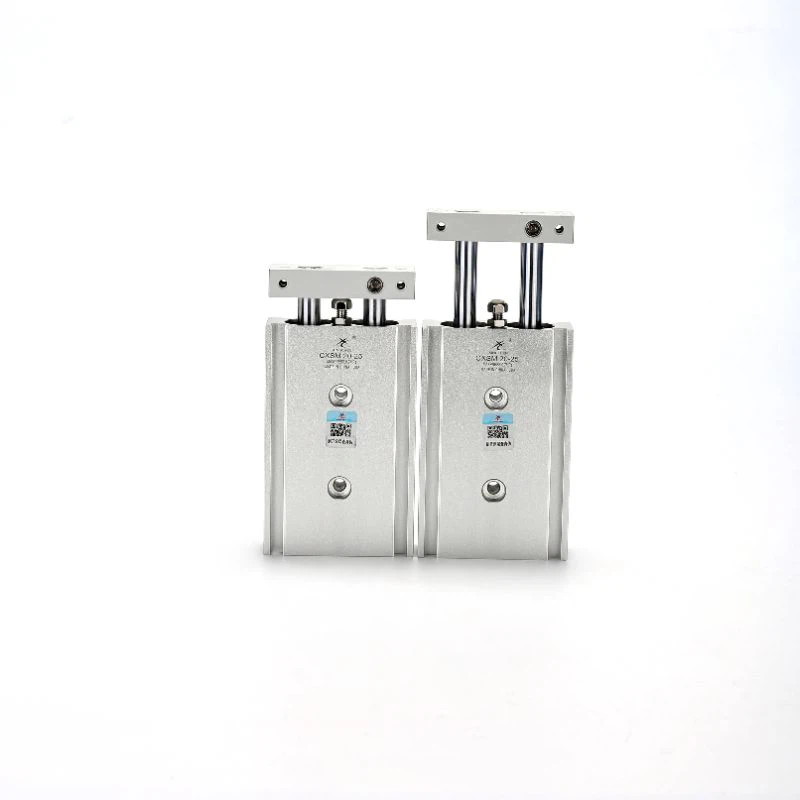
Pneumatic cylinders, such as Double Acting Double Rod Cylinder and Coupled Rodless Cylinder, are used in a wide range of industrial applications, including automation, robotics, and manufacturing. The pressure requirements for pneumatic cylinders depend on their size, type, and the load they need to move.
Small - sized cylinders may operate at lower pressures, around 30 - 60 psi, while larger and more heavy - duty cylinders may require pressures up to 150 psi or more. A regulator for pneumatic cylinders must be able to provide a stable pressure to ensure smooth and precise movement of the cylinder.
In addition, the flow rate of the regulator is also important. A regulator with an appropriate flow capacity can ensure that the cylinder extends and retracts at the desired speed. Our pneumatic regulators are designed to meet the diverse needs of different pneumatic cylinders, providing reliable and efficient performance.
Conclusion
As you can see, different pneumatic tools have different requirements when it comes to pneumatic regulators. Whether you're using an air nailer, a pneumatic drill, an impact wrench, a sander, or a pneumatic cylinder, choosing the right regulator is essential for optimal tool performance and longevity.
At our company, we understand these unique requirements and offer a wide range of high - quality pneumatic regulators. Our products are designed to provide precise pressure control, high - flow capacity, and reliable performance. If you're in the market for pneumatic regulators for your pneumatic tools, we'd love to have a chat with you. Contact us to discuss your specific needs and let's find the perfect regulator solutions for you.
References
- Compressed Air and Gas Handbook, Industrial Press Inc.
- Pneumatic Systems Design and Application, Pearson Education.