




What are the differences between a pneumatic and hydraulic dual rod cylinder?
 Jan 20, 2026|
 Hey there! As a supplier of dual rod cylinders, I often get asked about the differences between pneumatic and hydraulic dual rod cylinders. So, I thought I'd write this blog to break it down for you in a simple and easy - to - understand way.
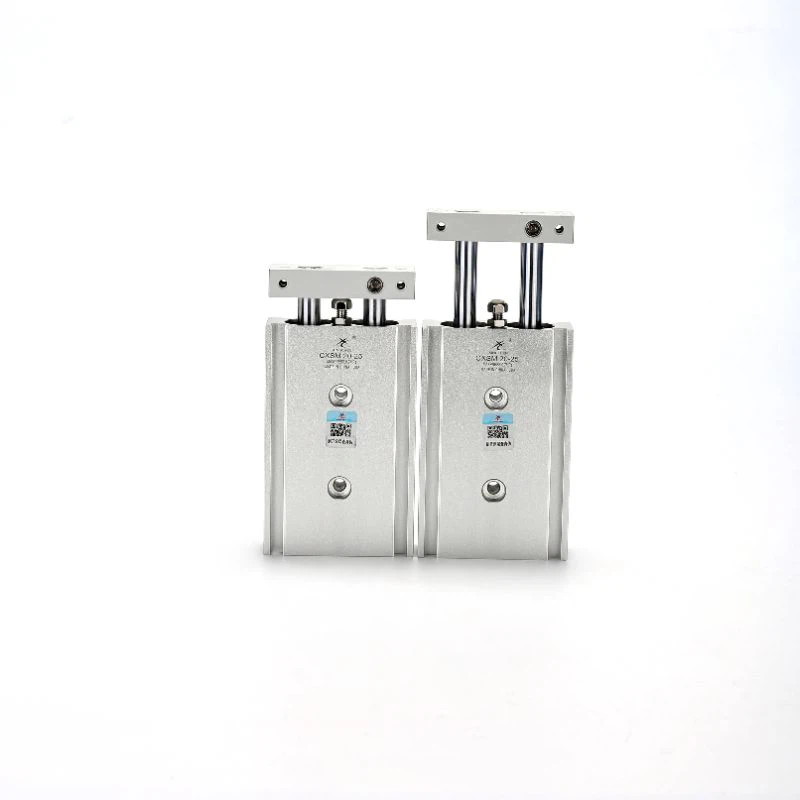
Let's start with the basics. A dual rod cylinder, as the name suggests, has two rods on either side of the piston. This design provides better stability and balance compared to single - rod cylinders. Now, when it comes to powering these cylinders, we have two main options: pneumatics and hydraulics.
Pneumatic Dual Rod Cylinders
Pneumatic dual rod cylinders use compressed air to generate motion. They're pretty popular in a lot of industries, and here's why.
1. Cost - Effective
One of the biggest advantages of pneumatic dual rod cylinders is that they're relatively inexpensive. The initial purchase cost is low, and the operating costs are also quite reasonable. Compressed air is readily available in most industrial settings, and you don't need a complex and expensive fluid management system like you do with hydraulics. You can check out our Dual Rod Pneumatic Cylinder for a cost - effective solution.
2. Clean and Safe
Pneumatic systems are clean because they use air. There's no risk of fluid leaks that can contaminate the working environment. This makes them ideal for applications in the food and beverage industry, pharmaceuticals, and electronics, where cleanliness is crucial. Also, since there's no high - pressure fluid, the risk of dangerous leaks or spills is minimized.
3. Fast Operation
Pneumatic cylinders can operate at high speeds. The compressed air can be quickly released and replenished, allowing for rapid actuation. This makes them suitable for applications that require fast cycling, like packaging machinery and automated assembly lines. Our Dual Rod Guided Air Cylinder is designed for high - speed operations.
4. Easy Maintenance
Maintaining pneumatic dual rod cylinders is a breeze. There are fewer components compared to hydraulic systems, and the parts are generally easy to access and replace. You just need to make sure the air supply is clean and dry to prevent damage to the internal components.
However, pneumatic cylinders do have some limitations. They typically have lower force output compared to hydraulic cylinders. The force generated by a pneumatic cylinder depends on the air pressure, and there's a practical limit to how much pressure you can safely use. Also, the motion control of pneumatic cylinders can be a bit less precise, especially when it comes to slow and smooth movements.
Hydraulic Dual Rod Cylinders
Hydraulic dual rod cylinders, on the other hand, use a hydraulic fluid (usually oil) to generate force. They're a bit more heavy - duty and have their own set of advantages.
1. High Force Output
The biggest advantage of hydraulic cylinders is their ability to generate a large amount of force. Hydraulic systems can operate at very high pressures, allowing them to move heavy loads with ease. This makes them ideal for applications in construction equipment, heavy machinery, and automotive manufacturing. Our Double Acting Double Rod Cylinder can handle high - force applications.
2. Precise Motion Control
Hydraulic systems offer excellent motion control. You can easily adjust the speed, force, and direction of the cylinder's movement. This is crucial in applications where precise positioning is required, such as in robotic arms and machine tools.
3. Smooth Operation
Hydraulic cylinders provide smooth and consistent motion. The hydraulic fluid acts as a cushion, reducing vibrations and shocks during operation. This results in less wear and tear on the equipment and a longer service life.
4. Energy Efficiency
In some applications, hydraulic systems can be more energy - efficient. Since they can generate high forces with relatively small displacements, they can perform tasks with less energy consumption compared to pneumatic systems in certain scenarios.

But hydraulic cylinders also come with some drawbacks. They're more expensive to purchase and install because of the need for a hydraulic pump, reservoir, and piping system. Maintenance is also more complex, as you need to regularly check the fluid level, quality, and filter it to prevent contamination. And if there's a leak, the hydraulic fluid can be messy and potentially hazardous to the environment.
Application Comparison
Let's take a look at how these two types of cylinders are used in different applications.
Manufacturing
In manufacturing, pneumatic dual rod cylinders are often used in light - duty assembly operations. They're great for tasks like pushing, pulling, and clamping small parts. For example, in a circuit board assembly line, pneumatic cylinders can be used to pick and place components quickly. On the other hand, hydraulic dual rod cylinders are used in heavy - duty manufacturing processes, such as forging and stamping. They can apply the high force needed to shape metal parts.
Construction
In the construction industry, hydraulic cylinders are the go - to choice for equipment like excavators, bulldozers, and cranes. They can lift and move large amounts of earth and heavy building materials. Pneumatic cylinders, however, might be used in smaller construction tools, like nail guns and pneumatic drills.
Food and Beverage
As mentioned earlier, the cleanliness of pneumatic cylinders makes them a popular choice in the food and beverage industry. They can be used for tasks like filling containers, moving conveyor belts, and capping bottles. Hydraulic cylinders are rarely used in this industry due to the risk of fluid leaks and contamination.
Choosing the Right Cylinder
So, how do you choose between a pneumatic and hydraulic dual rod cylinder? Well, it depends on your specific requirements. If you need a cost - effective, clean, and fast - operating solution for light - duty applications, a pneumatic cylinder is probably the way to go. But if you need high force output, precise motion control, and are willing to invest in a more complex system for heavy - duty applications, then a hydraulic cylinder is the better choice.
As a dual rod cylinder supplier, we have a wide range of both pneumatic and hydraulic dual rod cylinders to meet your needs. Whether you're in the manufacturing, construction, or food and beverage industry, we can help you find the right cylinder for your application.
If you're interested in learning more or want to discuss your specific requirements, feel free to get in touch with us. We're here to assist you in making the best choice for your project. Our team of experts can provide you with detailed information, technical support, and even help you with the installation and maintenance of your cylinders. So, don't hesitate to reach out and start the conversation!
References
- "Fluid Power Engineering" by John F. Watton
- "Pneumatic Systems Design and Application" by Peter Dyke
- Industry standards and technical manuals from leading cylinder manufacturers